


Key Takeaways
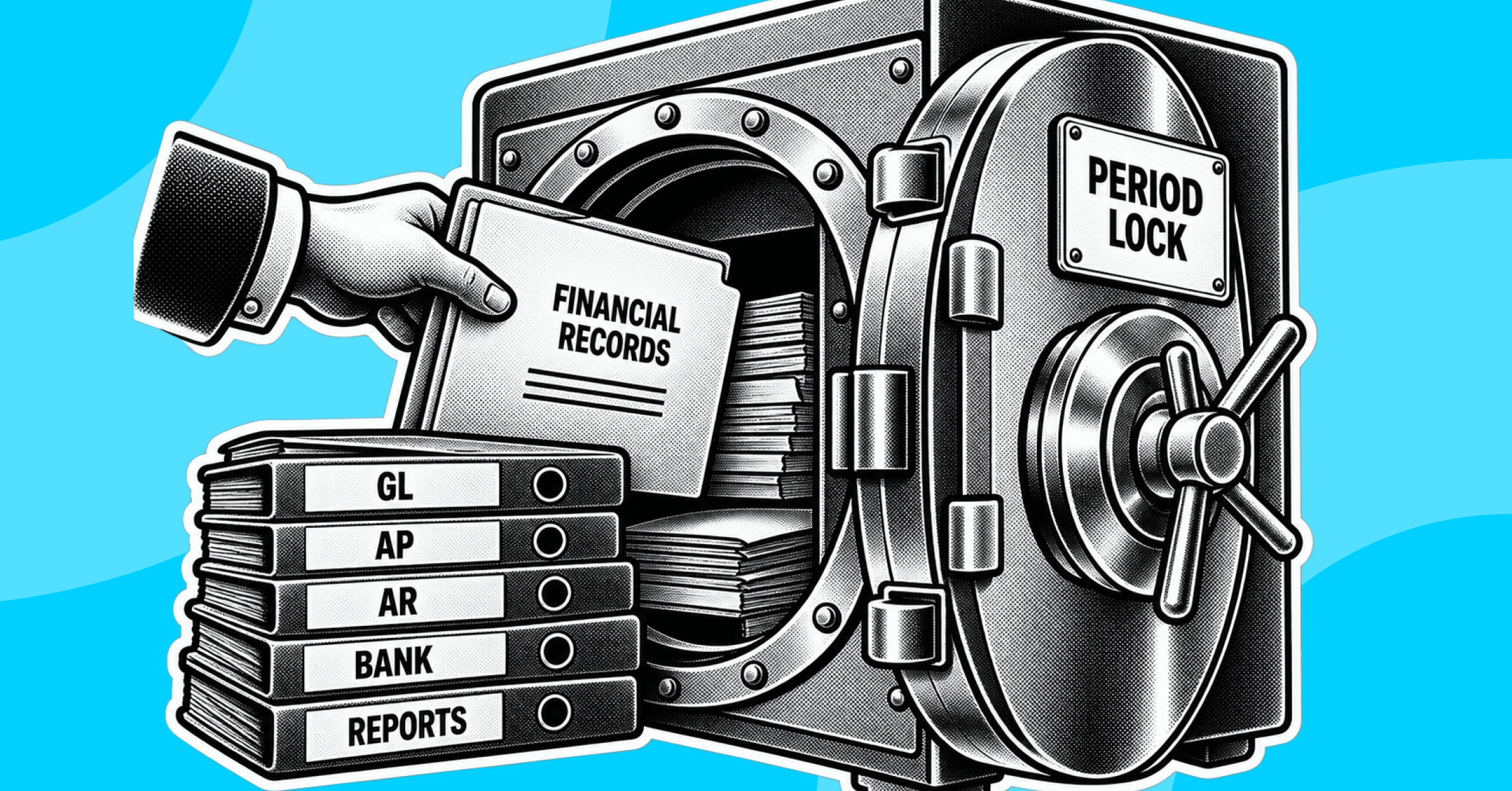
- Controls, risk, and cost aren’t three separate initiatives inside an R2R automation framework. They’re three outcomes of the same underlying change: moving matching, monitoring, and documentation out of manual, periodic effort and into a continuous, system-enforced workflow.
- The controls improvement that actually matters isn’t “fewer errors.” It’s segregation of duties and audit-trail evidence built into the workflow itself, so a control doesn’t depend on someone remembering to follow it.
- Risk reduction in R2R automation comes mainly from eliminating unmonitored spreadsheets and shifting from reactive, period-end compliance checks to continuous, real-time testing.
- Cost reduction is measurable at the transaction level, not just as a vague labor-savings claim. Cost-per-journal-entry and close-cycle days are the two figures that make the ROI case concrete.
- A phased rollout, discovery, standardization, automation, then testing and scaling, consistently outperforms automating everything at once, because standardization work done out of order gets automated into the system as inconsistency.
Introduction
Record-to-report (R2R) covers everything from the general ledger close through consolidated financial reporting, and it’s one of the last major finance processes still commonly run on a mix of ERP modules, spreadsheets, and manual review checkpoints. An R2R automation framework is a structured way to modernize that process without treating controls, risk, and cost as separate workstreams competing for the same budget and the same quarter. Done well, the same set of changes, continuous matching, automated journal entries, real-time monitoring, improves all three at once.
A quick overview: what an R2R automation framework actually automates, how it improves controls, how it reduces risk, how it lowers costs (with a real benchmark figure), a phased implementation plan, and the KPIs that prove the framework is working.
What a Record-to-Report Automation Framework Actually Automates
Before breaking the framework into controls, risk, and cost, it’s worth being specific about what’s actually changing under the hood, because all three outcomes trace back to the same handful of technical changes.
- ERP connectivity, so financial data flows into the close process automatically instead of through manual exports and re-imports between systems.
- Journal entry automation, applying pre-set thresholds and rules to standard, recurring entries (accruals, depreciation, standard adjustments) instead of requiring manual preparation each period.
- Reconciliation and matching, run continuously against the general ledger rather than as a once-a-month exercise.
- Monitoring and exception flagging, using rules-based and, increasingly, AI-driven pattern matching to route anomalies to the right reviewer automatically.
- Reporting and audit trail generation, capturing every action, match, and override as it happens rather than reconstructing a record of what occurred after close is already finished.
How to Improve Controls with Record-to-Report Automation
The controls improvement that matters isn’t a vague “fewer mistakes” claim. It’s specific, structural changes to how controls are enforced.
- Enforce segregation of duties inside the workflow itself, not just as written policy. The system should prevent the same person from both preparing and approving a journal entry or a reconciliation, rather than relying on someone to self-police the rule.
- Automate journal entries with pre-set thresholds, so standard, recurring entries follow consistent logic every period instead of depending on whoever happens to prepare them that month.
- Schedule continuous matching instead of manual, month-end-only checks. Running reconciliation daily or in real time means a control failure surfaces within days, not at the one point in the month when it’s hardest to fix.
- Centralize audit trails as immutable digital logs. Every transaction, adjustment, and approval needs a timestamped, attributable record, which is what makes an automated close defensible to an auditor rather than simply fast.
How to Reduce Risk with Record-to-Report Automation
Risk reduction in R2R automation comes primarily from removing two specific failure modes: unmonitored spreadsheets and reactive, after-the-fact compliance checks.
- Eliminate unmonitored spreadsheets from the close process. A spreadsheet with a broken formula or a manual copy-paste error is one of the most common sources of a misstatement that isn’t caught until much later, precisely because nothing is monitoring it in real time.
- Deploy AI-based exception flagging to automatically route high-risk or anomalous transactions to a reviewer, rather than relying on someone noticing an irregularity while scanning a report manually.
- Standardize templates and accounting policy globally, so every entity and business unit is applying the same rules, which removes the risk created by inconsistent local practice.
- Shift from reactive to proactive compliance testing. Real-time control testing catches a gap while it’s still small and isolated, instead of discovering it during a period-end review when it’s had time to compound.
How to Lower Costs with Record-to-Report Automation
Cost reduction from R2R automation is measurable, not just a general efficiency claim, and it’s worth grounding in an actual industry benchmark rather than a vague percentage.
- Cycle-time compression is the most visible cost win. Close cycles that ran over multiple weeks routinely shrink to a few days once matching, journal entries, and reporting are automated end to end.
- Cost-per-transaction is a concrete, trackable figure. Industry data has shown processing costs dropping from roughly $1.73 to $1.07 per entry after automation, a benchmark worth citing directly to leadership when building the ROI case rather than relying on labor-hour estimates alone.
- Labor reallocation, not headcount reduction, is the realistic outcome. Staff shift from manual data entry and matching toward exception review and analysis, which is a productivity gain even when it doesn’t show up as a reduced headcount line.
- External audit fees decline when auditors receive clean, standardized, self-service-ready data instead of needing to request and wait for manually assembled evidence.
A Phased Plan to Implement a Record-to-Report Automation Framework
Automating controls, risk mitigation, and cost reduction all at once, without a sequence, is the most common way an R2R automation initiative stalls or under-delivers.
- Discovery (roughly weeks 1-4). Map every manual touchpoint across the current close and reporting process, and draft the risk-control matrix (RCM) that the rest of the framework will be built against.
- Standardization (roughly weeks 5-8). Rationalize the chart of accounts and unify journal entry and reconciliation formats across entities and business units, so the automation layer that comes next has one consistent input shape to work with.
- Automation (roughly weeks 9-14). Configure ERP and close-management software, and implement automated reconciliation tooling against the standardized formats and RCM built in the previous phases.
- Testing and Scaling (roughly weeks 15-20+). Run internal dry runs in parallel with the existing manual process, then activate AI-based monitoring and continuous improvement once the automated output has been validated against a real close cycle.
KPIs to Track Record-to-Report Automation ROI
The framework’s actual return only becomes visible when it’s measured consistently, before and after each phase, rather than assumed.
- Close-cycle days, tracked from period-end to final reporting sign-off, is the clearest single indicator of whether the automation is compressing the timeline it was meant to.
- Cost-per-journal-entry, benchmarked against the industry figure cited above, shows whether the specific automation investment is paying back at the transaction level.
- Percentage of transactions auto-matched without manual intervention, which should rise steadily through the standardization and automation phases as rules and AI matching mature.
- Audit finding volume year over year, where a declining trend indicates the controls and audit-trail improvements are actually reducing the number and severity of issues auditors surface.
How Bluecopa Powers an End-to-End R2R Automation Framework
Bluecopa’s platform is built to deliver controls, risk reduction, and cost savings as outcomes of the same continuous close architecture, rather than as separate initiatives layered on top of each other.
- Samyx Recon matches general ledger, bank, and ERP transactions continuously using hybrid rules-based and AI-driven matching, generating the timestamped audit trail that supports both the controls and risk objectives of the framework simultaneously.
- Samyx Build enforces segregation of duties and policy-as-code materiality thresholds directly in the workflow, so journal entry and reconciliation controls are applied consistently across every entity without relying on manual policy adherence.
- Because reconciliation, close, and reporting run on one data layer, standardization (Phase 2 above) and automation (Phase 3) happen on the same platform instead of requiring a separate integration project between point tools.
Enterprise finance teams have used this architecture to compress close cycles materially: Yatra achieved a 90% faster month-end close and HackerEarth cut reconciliation errors by 60% after automating on Bluecopa. Teams earlier in this journey, still assessing where manual effort is concentrated today, may find Bluecopa’s guide to automating bank reconciliation a useful starting point before scaling automation across the full R2R process, and Bluecopa’s continuous close platform for the complete picture.
Frequently Asked Questions
1. What is a record-to-report (R2R) automation framework?
It’s a structured approach to modernizing the R2R process, covering general ledger close through consolidated reporting, by automating ERP connectivity, journal entries, reconciliation, monitoring, and audit-trail generation, with the goal of improving controls, reducing risk, and lowering costs together rather than as separate projects.
2. How much does record-to-report automation actually reduce costs?
Cycle time typically compresses from weeks to days, and industry data shows per-transaction processing costs dropping from roughly $1.73 to $1.07 per entry after automation, alongside reduced external audit fees from cleaner, self-service-ready evidence.
3. Does R2R automation weaken internal controls?
Not if segregation of duties and audit-trail requirements are built into the automated workflow deliberately. Automation that skips this step can produce a faster process that’s actually less auditable than the manual one it replaced.
4. How long does it take to implement an R2R automation framework?
A typical phased rollout, discovery, standardization, automation, then testing and scaling, spans roughly four to five months, though this varies with entity count and how standardized the chart of accounts and reconciliation formats already are.
5. What’s the difference between rules-based and AI-driven matching in R2R automation?
Rules-based matching applies fixed logic (amount, date, reference ID) and handles clean, predictable transactions reliably. AI-driven matching uses pattern recognition for variable cases, like partial payments or netted deposits, that a fixed rule can’t reliably describe.
6. What KPIs show whether an R2R automation framework is actually working?
Close-cycle days, cost-per-journal-entry, the percentage of transactions auto-matched without manual intervention, and audit finding volume year over year are the four metrics that make the framework’s ROI measurable rather than anecdotal.